
When people think about luxury apartments, they often picture elegant interiors, premium furniture, and high-end amenities. While these physical elements matter, what truly defines a great luxury apartment experience is something less visible but far more powerful—the feeling of being at home.
For business travelers, executives, and long-stay guests, comfort goes beyond aesthetics. It’s psychological. The ability to relax, focus, and settle into a space without stress plays a major role in how a stay is perceived. Luxury apartments that successfully create this sense of belonging don’t just look good—they feel right.
Let’s explore the psychology behind why some luxury apartments instantly feel like home while others, despite their design, fall short.
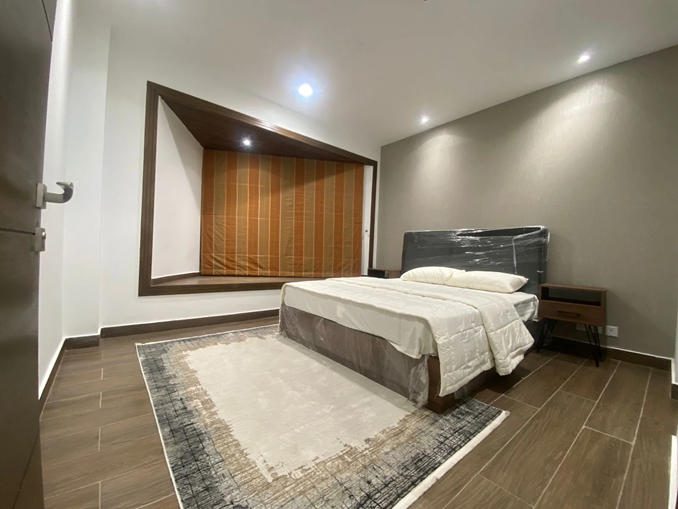
The Emotional Meaning of “Home”
Psychologically, home is associated with safety, familiarity, and control. It’s a place where people feel relaxed, understood, and unpressured. When guests enter a luxury apartment, their minds subconsciously evaluate the space for these emotional cues.
Unlike hotels, which often feel temporary and impersonal, luxury apartments have the unique advantage of offering autonomy. Guests can cook, work, rest, and unwind on their own terms. This sense of ownership—even during a short stay—plays a huge role in emotional comfort.
When an apartment mirrors the rhythms of daily life rather than a commercial space, guests are far more likely to settle in quickly.
Familiar Layouts Reduce Mental Fatigue
One of the first psychological triggers that makes a space feel like home is its layout. Clear separation between living, sleeping, dining, and working areas helps guests understand the space instantly.
When layouts are intuitive, guests don’t need to “figure out” how to live in the apartment. Their brains recognize familiar patterns, which reduces cognitive load. This is especially important for corporate travelers who already deal with packed schedules and decision fatigue.
Luxury apartments that offer practical flow—such as a comfortable living area, a usable kitchen, and a calm bedroom—quietly signal ease and stability.
Comfort Over Impressiveness
While striking design can impress, comfort is what builds emotional attachment. From a psychological perspective, guests respond more positively to spaces that prioritize softness, warmth, and usability over visual drama.
Comfortable seating, supportive mattresses, cozy lighting, and breathable fabrics all contribute to physical ease. When the body relaxes, the mind follows. This connection is why guests often remember how a place felt rather than how it looked.
Luxury apartments that understand this balance don’t overwhelm guests—they embrace them.
Lighting and Mood Regulation
Lighting has a deep psychological impact. Bright, harsh lighting can create tension, while soft and adjustable lighting promotes calmness and control.
Natural light, in particular, plays a vital role in mood regulation and circadian rhythms. Apartments that allow daylight to flow freely tend to feel uplifting and energizing during the day, while warm ambient lighting in the evening encourages rest.
When guests can adjust lighting based on their needs—working, relaxing, or sleeping—it enhances their sense of autonomy, which is a key component of feeling at home.
Privacy Creates Psychological Safety
Feeling at home also means feeling unseen and uninterrupted when desired. Privacy gives guests the freedom to exist without self-consciousness.
Luxury apartments provide this through private entrances, secure access, soundproofing, and thoughtful spacing. Unlike hotels where hallways, staff presence, and shared spaces can feel intrusive, well-designed apartments allow guests to retreat into their own world.
This sense of psychological safety encourages deeper relaxation, which is why many guests prefer luxury apartments for extended or repeat stays.
Personalization Without Overstimulation
A home-like space offers subtle personalization without clutter. Neutral tones, balanced décor, and timeless furnishings allow guests to mentally project themselves into the space.
Overly themed or overly decorated apartments can unintentionally remind guests that they are “visiting.” In contrast, thoughtfully curated spaces feel adaptable, welcoming different personalities and lifestyles. Psychologically, this neutrality creates mental openness—an invitation to settle in rather than observe.
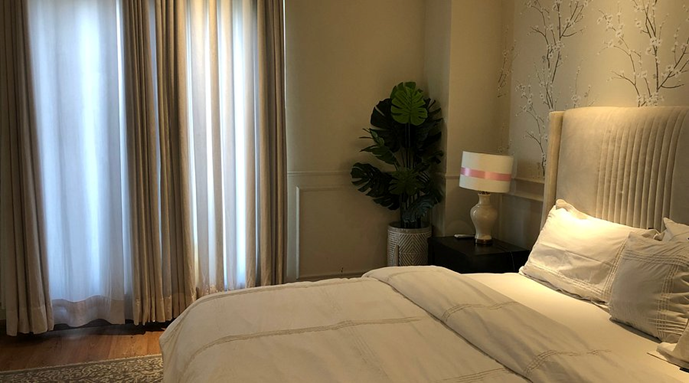
The Role of Control and Independence
Feeling at home is deeply tied to having control over one’s environment. Luxury apartments empower guests to cook their own meals, adjust temperatures, manage their schedules, and live freely without rigid rules.
This independence restores a sense of normalcy, especially for frequent travelers who spend large portions of their lives away from home. The freedom to live instead of “stay” makes a noticeable psychological difference.
Consistency Builds Trust and Comfort
Consistency also plays a subtle but critical role. When apartments maintain reliable standards—cleanliness, functionality, and comfort—guests feel secure. The absence of unpleasant surprises builds trust, which strengthens emotional comfort.
Luxury apartments that deliver consistent experiences across stays often become the default choice for returning guests, simply because familiarity breeds comfort.
Why Feeling at Home Matters More Than Ever
In today’s fast-paced world, travelers crave spaces that allow them to decompress, not perform. Luxury apartments that understand the psychology of comfort don’t just attract guests—they retain them.
By blending thoughtful design, emotional intelligence, and everyday practicality, these apartments become more than accommodations. They become temporary homes.
And that feeling—the quiet confidence of being at ease—is the true hallmark of luxury living.