
Traveling is often associated with excitement, exploration, and a break from routine. But in reality, it can also bring exhaustion, stress, and mental fatigue. Long journeys, disrupted sleep schedules, and constant movement can take a toll on your body and mind. This is where the concept of travel fatigue vs relaxation becomes important—and surprisingly, your accommodation plays a bigger role than you might think.
Where you choose to stay can either drain your energy further or help you fully recharge. Let’s explore how your stay directly impacts your travel experience.
Understanding Travel Fatigue
Travel fatigue isn’t just about feeling tired after a long trip. It’s a combination of physical exhaustion, mental stress, and sensory overload. Whether you’re traveling for business or leisure, factors like crowded airports, traffic, unfamiliar environments, and tight schedules can leave you feeling drained.
Many travelers underestimate how much their accommodation contributes to this fatigue. Staying in a cramped, noisy, or uncomfortable place can prevent proper rest, making it harder to recover from the demands of travel.
The Link Between Comfort and Relaxation
When comparing travel fatigue vs relaxation, comfort becomes the deciding factor. A well-designed, peaceful environment can instantly shift your mood from stressed to relaxed.
Think about it—after a long day, would you rather return to a crowded hotel room or a spacious, quiet apartment? The difference is not just physical; it’s psychological. A comfortable stay helps your mind unwind, improving sleep quality and overall well-being.
Features like soft bedding, proper lighting, and organized spaces may seem simple, but they have a powerful impact on how quickly you recover from travel fatigue.
Space: The Hidden Luxury
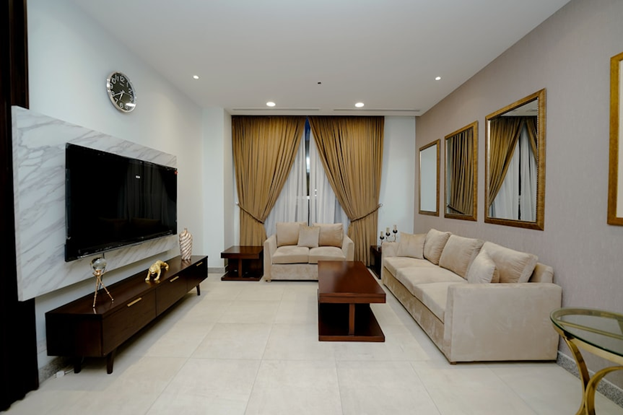
One of the biggest contributors to relaxation is space. Unlike traditional hotel rooms, luxury apartments offer separate areas for sleeping, working, and relaxing. This separation allows your brain to switch off from “travel mode” and enter “rest mode.”
When you have room to move around, unpack, and settle in, your environment starts to feel less temporary and more like home. This sense of familiarity reduces stress and enhances comfort.
In the context of travel fatigue vs relaxation, having enough space is often the difference between feeling confined and feeling at ease.
Noise and Privacy Matter More Than You Think
Noise is a silent contributor to travel fatigue. Busy hallways, traffic sounds, or thin walls can disrupt your sleep without you even realizing it. Over time, this lack of quality rest builds up and affects your energy levels.
Privacy is equally important. When you feel secure and undisturbed, your body naturally relaxes. You’re able to rest deeply, focus better, and enjoy your trip without constant interruptions.
A peaceful environment allows you to disconnect from external stress and recharge properly—something that’s essential for achieving true relaxation while traveling.
The Role of Familiarity
Another key factor in the travel fatigue vs relaxation balance is familiarity. Staying in a place that feels like home can significantly reduce travel stress.
Simple things like having a kitchen, a comfortable sofa, or a workspace can make a huge difference. You’re not forced to adapt to a rigid hotel setup—instead, you can maintain parts of your daily routine.
This sense of normalcy helps stabilize your mood and energy levels, making your travel experience more enjoyable and less exhausting.
Better Sleep, Better Experience
Sleep is one of the most important aspects of recovery during travel. Poor sleep can lead to irritability, low productivity, and a lack of enthusiasm for activities.
Your accommodation directly affects your sleep quality. Factors like mattress comfort, room temperature, lighting, and noise levels all play a role.
When your stay is designed for comfort, you fall asleep faster and wake up refreshed. This improves your overall travel experience, allowing you to make the most of your time.
Why Accommodation Choice Matters for Business Travelers
For business travelers, the stakes are even higher. Meetings, deadlines, and professional responsibilities require focus and energy. Travel fatigue can directly impact performance.
Choosing the right place to stay ensures you have a quiet environment to work, reliable internet, and enough space to prepare and relax. This balance between work and rest is essential for productivity.
When comparing travel fatigue vs relaxation, business travelers benefit greatly from accommodations that support both comfort and efficiency.
Turning Your Stay Into a Recovery Space
Your accommodation shouldn’t just be a place to sleep—it should be a space where you recover.
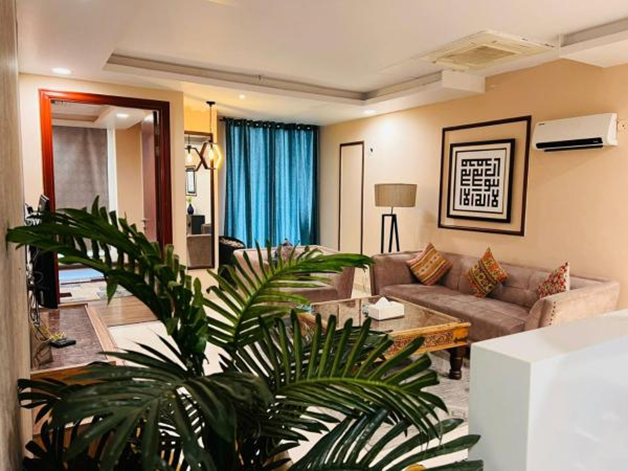
A well-equipped, thoughtfully designed apartment allows you to unwind after a long day. Whether it’s watching your favorite shows, preparing a meal, or simply relaxing in a comfortable setting, these small moments help reduce stress.
This is where luxury apartments stand out. They are designed not just for staying, but for living—making them ideal for travelers who want to avoid burnout.
Making the Right Choice
When planning your next trip, consider more than just location and price. Think about how your stay will affect your energy, mood, and overall experience.
Ask yourself:
- Will this place help me relax or add to my stress?
- Does it offer enough space and comfort?
- Can I rest properly here?
These questions can help you choose an accommodation that supports relaxation rather than contributing to fatigue.
Final Thoughts
The debate of travel fatigue vs relaxation ultimately comes down to how well you recover during your trip. While travel itself can be tiring, the right accommodation can completely transform your experience.
A comfortable, quiet, and well-designed space allows you to recharge, sleep better, and enjoy your journey to the fullest. Instead of feeling drained, you return home refreshed and energized.
In today’s fast-paced world, where travel is often hectic, choosing the right place to stay isn’t a luxury—it’s a necessity.