
Travel habits have changed dramatically over the past few years. Today’s travelers are no longer just looking for a place to sleep—they want comfort, convenience, flexibility, and value. Whether someone is visiting Lahore for business, a family event, or an extended stay, accommodation plays a major role in their overall experience.
One debate that often comes up is Fully Furnished vs Empty Rentals. Which option is better? And more importantly, what do modern travelers actually prefer?
Let’s explore both choices in detail and understand why preferences are shifting toward a new standard of living.
Understanding the Difference
Before diving deeper into Fully Furnished vs Empty Rentals, it’s important to define what each term means.
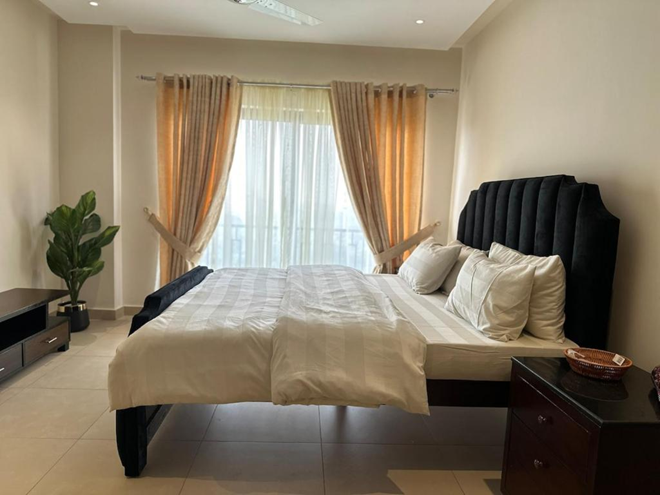
A fully furnished rental includes all essential furniture and appliances. This typically covers beds, sofas, dining tables, wardrobes, kitchen appliances, curtains, lighting, and sometimes even décor, WiFi, and entertainment systems.
On the other hand, empty rentals (also known as unfurnished rentals) are delivered as bare spaces. They may include only basic fixtures like cabinets or kitchen fittings, but tenants are responsible for bringing their own furniture and appliances.
For long-term residents, empty rentals may seem practical. However, the preferences of modern travelers are shaping the conversation differently.
The Rise of Short-Term and Flexible Stays
With the growth of remote work, digital nomads, and corporate travel, short- and mid-term stays are becoming increasingly common. Travelers are visiting cities for weeks or months instead of just a few days.
In this evolving travel landscape, the choice between Fully Furnished vs Empty Rentals becomes more significant.
Modern travelers value mobility. They want to move between cities without worrying about transporting furniture, buying appliances, or setting up utilities. Fully furnished spaces offer exactly that flexibility—they are ready to live in from day one.
Empty rentals, on the other hand, require setup time, additional spending, and logistical effort, which doesn’t align well with temporary stays.
Convenience: A Major Decision Factor
Convenience is one of the biggest reasons why fully furnished apartments are becoming the preferred choice.
When comparing Fully Furnished vs Empty Rentals, the furnished option eliminates the need to purchase beds, sofas, or kitchenware. Travelers can simply bring their suitcase and settle in immediately.
Imagine arriving in a new city after a long journey. The last thing a traveler wants is to shop for mattresses, assemble furniture, or coordinate appliance deliveries. A fully furnished apartment removes those stress points entirely.
For business travelers especially, time is money. Convenience is not just a luxury—it is a necessity.
Cost Considerations
At first glance, empty rentals may appear cheaper because monthly rent is often lower. However, when we analyze Fully Furnished vs Empty Rentals more closely, the overall cost tells a different story.
Furnishing an apartment requires significant investment. Beds, sofas, dining sets, kitchen appliances, air conditioning units, and décor can quickly add up. For short-term stays, these expenses rarely make financial sense.
Fully furnished rentals include these essentials in the rental price. While the monthly rent may be slightly higher, travelers avoid heavy upfront costs and long-term commitments.
For modern travelers prioritizing flexibility and financial efficiency, fully furnished rentals often offer better value.
Comfort and Lifestyle Expectations
Today’s travelers expect more than just basic living conditions. They seek aesthetic interiors, cozy spaces, and a comfortable atmosphere that feels like home.
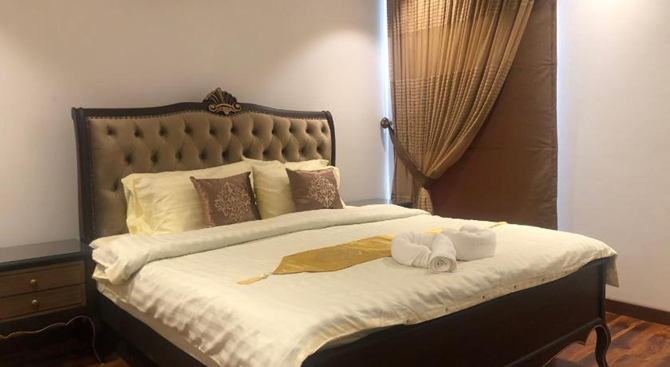
When evaluating Fully Furnished vs Empty Rentals, furnished apartments clearly lead in terms of lifestyle experience. Thoughtfully designed interiors, coordinated décor, and well-arranged furniture create an inviting environment.
Empty rentals feel impersonal and incomplete unless tenants invest time and money into decorating them. For short-term visitors, that effort simply isn’t practical.
Many premium properties, like Lux Haven, focus on providing fully furnished spaces that blend luxury, comfort, and functionality—making them particularly appealing to modern guests.
Impact on Productivity for Professionals
Remote work has transformed accommodation preferences. A growing number of professionals require work-friendly environments when traveling.
The comparison of Fully Furnished vs Empty Rentals becomes even more important for this segment.
Fully furnished apartments often include work desks, ergonomic seating, high-speed WiFi, and quiet surroundings. This setup supports productivity immediately.
In contrast, empty rentals require tenants to source office furniture and internet services themselves—an impractical option for temporary business stays.
Professionals value seamless transitions. A space that supports both work and relaxation wins every time.
Safety and Emotional Comfort
Traveling to a new city can feel overwhelming. A move-in-ready apartment reduces uncertainty and provides emotional reassurance.
In the debate of Fully Furnished vs Empty Rentals, furnished properties create a sense of preparedness and safety. Curtains are installed, lighting is fixed, and rooms are functional from day one.
Empty spaces often feel cold and unwelcoming. Until furnished, they lack warmth and security—two elements modern travelers deeply value.
Especially for solo travelers or families, this emotional comfort makes a significant difference.
Maintenance and Responsibility
Another important factor in the Fully Furnished vs Empty Rentals discussion is maintenance responsibility.
In many furnished rental agreements, maintenance of appliances and furniture is managed by the property owner. This reduces stress for tenants.
With empty rentals, tenants are responsible for maintaining everything they purchase. Repairs, replacements, and upkeep become their financial burden.
For short- and mid-term tenants, minimizing responsibility is usually preferred.
When Do Empty Rentals Make Sense?
While modern travelers increasingly prefer furnished spaces, empty rentals still have advantages.
They are suitable for long-term residents who plan to stay for several years. Individuals who own furniture and want full customization may prefer empty units.
However, this model aligns more with permanent relocation rather than flexible travel living.
For temporary stays, business trips, vacations, or relocations under six months, fully furnished rentals clearly dominate the preference scale.
Why Modern Travelers Lean Toward Furnished Living
Summarizing the Fully Furnished vs Empty Rentals debate, modern travelers prioritize:
- Convenience
- Flexibility
- Lower upfront investment
- Comfort and aesthetics
- Productivity-friendly setup
- Minimal responsibility
These priorities align strongly with fully furnished rental offerings.
As travel trends continue evolving, lifestyle-focused accommodations are replacing traditional housing models for short and extended stays.
Final Thoughts
The discussion around Fully Furnished vs Empty Rentals ultimately comes down to lifestyle needs and length of stay.
For permanent residents, empty rentals may offer customization and long-term financial savings. But for modern travelers—especially business professionals, digital nomads, families, and short-term visitors—fully furnished rentals provide unmatched ease and comfort.
With changing travel patterns and increasing expectations, fully furnished apartments are becoming the new standard for flexible living.
If convenience, functionality, and a stress-free experience matter to you, the answer in the Fully Furnished vs Empty Rentals comparison is clear: furnished living is what modern travelers prefer.