
When choosing a rental property—especially for short-term or extended stays—travelers often focus on price, location, and amenities. However, one crucial factor that directly affects comfort, safety, and overall experience is whether the property is managed or unmanaged. While both options may look similar at first glance, the difference between managed and unmanaged rentals becomes very clear once you move in.
Understanding this distinction can help guests, business travelers, and even long-stay renters make smarter booking decisions and avoid unpleasant surprises.
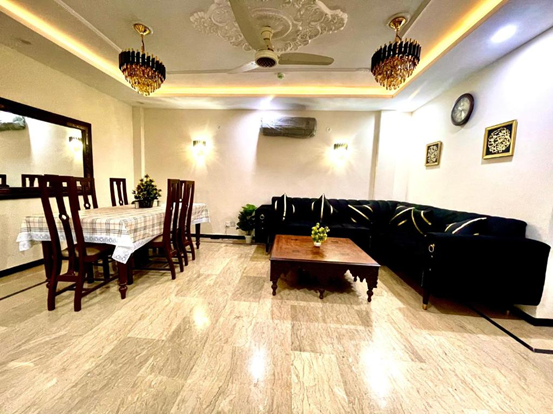
What Is a Managed Rental?
A managed rental is a property that is overseen by a professional management company or hospitality team. Every aspect of the guest experience—from booking to check-out—is handled systematically.
Managed rentals typically include:
- Dedicated guest support
- Professional housekeeping
- Routine maintenance checks
- Standardized quality control
- Secure payment and booking processes
These properties are designed to provide a hotel-like experience with the privacy of an apartment, making them ideal for business travelers, families, international guests, and long-term stays.
What Is an Unmanaged Rental?
An unmanaged rental is usually listed and maintained by an individual owner without professional oversight. While some owners manage their properties responsibly, operations often depend entirely on personal availability, experience, and budget.
Unmanaged rentals may involve:
- Direct communication with the owner
- Irregular cleaning schedules
- Delayed maintenance responses
- Inconsistent service quality
- Limited support during emergencies
These rentals can work for short, flexible stays—but they often come with higher risks, especially for guests unfamiliar with the city or area.
Key Differences Between Managed & Unmanaged Rentals
1. Guest Experience & Support
One of the biggest differences between managed and unmanaged rentals is guest support availability. Managed rentals usually offer prompt assistance, whether it’s a power issue, WiFi problem, or late check-in request.
In unmanaged rentals, support depends on whether the owner is reachable. If the owner is unavailable, guests may be left waiting or forced to resolve issues themselves.
2. Cleanliness & Housekeeping Standards
Managed rentals follow professional cleaning protocols. Housekeeping teams clean and inspect the apartment between every stay to ensure consistent quality.
Unmanaged rentals often rely on casual cleaners or irregular schedules. This can lead to missed details, inconsistent hygiene, or unprepared check-ins—especially during peak seasons.
3. Maintenance & Repairs
In managed properties, maintenance is proactive rather than reactive. Appliances, plumbing, air conditioning, and power systems are checked regularly.
Unmanaged rentals usually address maintenance only when something breaks. This can result in longer downtimes, uncomfortable stays, or temporary fixes rather than proper solutions.
4. Reliability & Consistency
Managed rentals deliver a predictable experience. What you see online is typically what you get, as properties are held to brand and quality standards.
With unmanaged rentals, experiences can vary widely. One stay may be smooth, while another may involve unexpected issues due to lack of operational structure.
5. Security & Safety Measures
Managed rentals prioritize safety by implementing:
- Verified guest check-ins
- Secure payment gateways
- Building access controls
- Emergency support systems
Unmanaged rentals may lack these safeguards, leaving guests uncertain about security protocols, especially in unfamiliar cities.
6. Transparency in Pricing
Managed rentals usually offer clear and upfront pricing, including utilities, maintenance, and services. This transparency builds trust and helps guests plan better.
Unmanaged rentals may introduce hidden costs such as extra cleaning charges, electricity limits, or late check-in fees after booking.
Which Option Is Better for Short-Term Stays?
For short-term stays, managed rentals provide peace of mind. Guests don’t have to worry about logistics, cleanliness, or emergencies. Everything is taken care of, allowing travelers to focus on their trip—whether for business, family events, or leisure.
Unmanaged rentals might seem cheaper initially, but unexpected issues can quickly outweigh the cost savings.
Which Option Is Better for Long-Term Stays?
Long-term stays demand consistency, comfort, and reliability. Managed rentals are better suited for extended visits because they include routine servicing, guest support, and maintenance—things that become increasingly important over time. Unmanaged rentals can feel uncertain for long stays, as support may decline after the initial move-in phase.
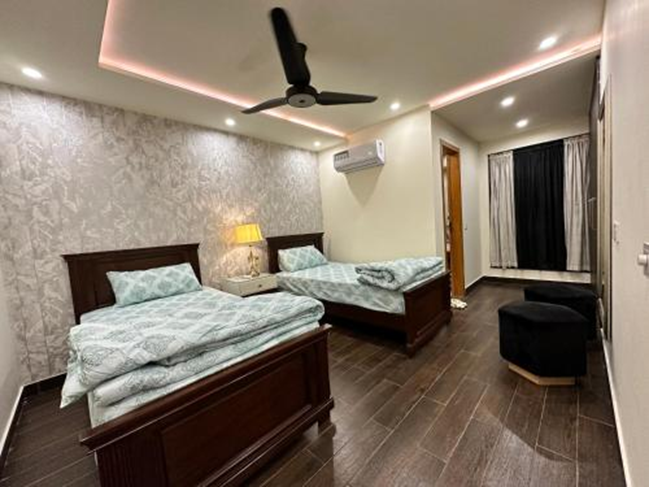
Why Managed Rentals Are Becoming the Preferred Choice
As traveler expectations rise, managed rentals are becoming the preferred option across major cities. Guests value:
- Professional standards
- Responsive communication
- Clean, ready-to-live spaces
- Reliable services throughout their stay
These factors make managed rentals especially appealing to corporate travelers, overseas guests, and families who prioritize comfort and security.
Final Thoughts
The difference between managed and unmanaged rentals goes far beyond who owns the property. It directly affects cleanliness, safety, service quality, and overall peace of mind.
While unmanaged rentals may work in certain situations, managed rentals consistently deliver a smoother, more reliable, and more comfortable living experience. For travelers who value their time, comfort, and convenience, choosing a managed rental is often the smarter decision.